
Runway Guide: Comparing Fractional Jet Programs
July 27, 2026
What was once defined by access alone has evolved into something far more meaningful: a seamless, deeply personalized approach to travel shaped by precision, hospitality and operational excellence. As demand for private aviation continues to grow, the distinctions between providers become increasingly important. Understanding what sets one apart—and which provider can deliver everything you seek in a long-term aviation solution—has never mattered more.
At the forefront stands Flexjet. Advancing a more refined vision of fractional ownership, where exceptional aircraft, elevated service and thoughtful orchestration converge into an experience that transcends transportation itself.
The following guide offers a clear, comprehensive perspective on fractional jet ownership—how to differentiate providers, what truly matters over time and how a more considered approach can transform the ownership experience altogether.
What is a Fractional Jet Program?


Fractional ownership delivers the advantages of whole-aircraft ownership without the complexities of managing crewing, maintenance or day-to-day operations. Designed for travelers flying a frequent amount annually, it is a model that offers predictable costs throughout the life of the agreement alongside potential access to multiple cabin categories tailored to each mission.
With Flexjet, those hours can be seamlessly deployed across one of the industry’s most diverse global fleets—including helicopter access—creating a level of versatility and precision few providers can offer.
How Fractional Jet Ownership Compares with Jet Card, Jet Lease & Charter
When travelers begin to weigh fractional programs, it is important to understand how ownership differs from other private aviation solutions. For starters, fractional ownership is typically deemed a worthwhile investment by those who fly 50 hours or more per year.
Jet cards and charter programs can provide supplemental flexibility for occasional or variable travel needs, while lease or access programs may reduce an upfront capital commitment. However, these solutions can also introduce varying aircraft availability, crew consistency and overall experience.
Fractional ownership is inherently designed around continuity—consistent access, defined service standards and a more integrated ownership experience over time.
Not all providers operate with the same philosophy or infrastructure. Some of the most important distinctions are operational rather than visible.

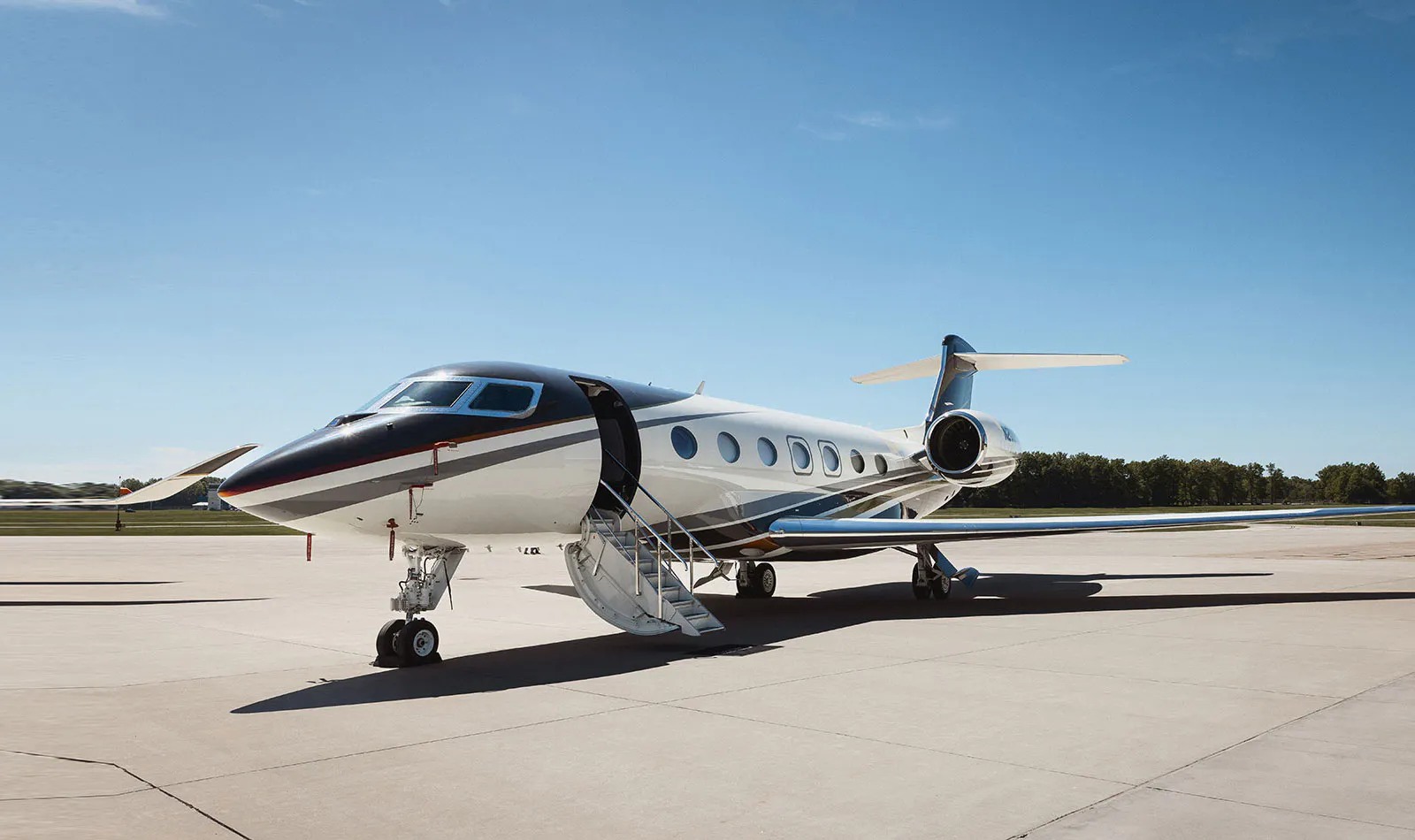
Exploring Open Fleet vs. Closed Fleet Models
One of the most important considerations when consumers compare fractional programs is whether the provider operates a closed or open fleet model.
Some providers rely heavily on third-party charter operators to supplement availability. While this can expand short-term access, it may also create inconsistencies in cabin presentation, crew training and service standards.
A closed fleet model—such as the one emphasized by Flexjet fractional ownership—prioritizes aircraft operated within its own managed fleet of over 350 aircraft. The result is greater consistency across maintenance standards, onboard hospitality and operational oversight.
For travelers accustomed to premium brands, consistency often becomes the luxury itself.
Approach to Interchange and Hourly Flexibility
Travel needs rarely remain static. A regional business trip may call for a super-midsize aircraft, while international travel may require a larger cabin platform with greater range and endurance.
Interchange flexibility allows aircraft Owners to move between aircraft categories based on mission requirements rather than being limited to a single aircraft type. Programs such as Flexjet Versatility Plus™ further support this flexibility by allowing aircraft Owners to buy or sell a portion of annual hours based on changing travel patterns.
At Flexjet, your allocated hours can be seamlessly deployed across our global fleet—including access to helicopters—offering a level of versatility and precision few providers can match. Unique to Flexjet, this flexibility allows travel to be tailored precisely to your needs, with the ability to utilize multiple aircraft simultaneously throughout the transaction agreement period.
Fleet Scale and Aircraft Diversity
Fleet size influences far more than availability. It affects operational resilience, maintenance scheduling and access during peak demand periods.
When travelers compare fractional programs, they should evaluate both the scale and diversity of the fleet itself.
Flexjet fleet options include aircraft ranging from the Embraer Phenom 300 and Embraer Praetor 600 to ultra-long-range aircraft such as the Gulfstream G650 and Gulfstream G700. This breadth allows aircraft Owners to align their selection more precisely with mission profile, passenger count and destination requirements.
Additionally, one of the defining advantages of fractional Ownership at Flexjet is seamless hourly interchange, extending the value of membership well beyond fixed-wing travel. Through access to the Flexjet Sikorsky S-76, aircraft Owners can transition effortlessly between private terminals, city centres, country clubs, private estates and other select destinations. By transforming what is often the longest segment of the journey into one of its most efficient, the experience preserves valuable time while extending the Flexjet standard of service all the way to your final destination.


Assessing Fleet, Cabin and Service Considerations
As travelers compare fractional programs, aircraft specifications alone rarely tell the full story.
Cabin design, crew experience, connectivity, operational support and hospitality standards all shape the experience in practice. Travelers should evaluate:
- Fleet age and modernization
- Cabin consistency and onboard design philosophy
- Connectivity capabilities, including Starlink-enabled aircraft
- Crew training and staffing models
- Peak-day availability policies
- Interchange and fuel variable structures
- Contract terms and exit flexibility
- International operating capabilities and support infrastructure
The strongest programs do not simply move passengers efficiently. They create a travel experience that feels considered, seamless and highly personal from beginning to end. Often, these operational details reveal more about a provider’s long-term philosophy than pricing alone.
Understanding Cost, Contract and Commitments
Predicting the cost of fractional ownership begins with the acquisition of a share in a specific aircraft type, proportionate to anticipated annual travel needs. At Flexjet, this cost structure is intentionally transparent and designed to provide clarity, flexibility and access to one of private aviation’s most refined ownership experiences. Here are the major components that may factor into your overall price.
> Acquisition Cost:
An asset purchase that allows for a minimum number of flight hours annually for a set term in the type of aircraft owned
> Monthly Management Fee:
Covers the indirect costs of operating your aircraft, including pilot training, insurance, crew provisions, cabin support and administrative costs
> Occupied Hourly Rate:
Charged for each hour an aircraft is in-flight, plus taxi time, and includes direct expenses associated with maintenance, standard catering, engine operation and pilot fees
> Hourly Fuel Adjustment:
Added to the base hourly rate to account for fluctuations in the cost of fuel, which varies monthly


FRACTIONAL FAQs
What is a fractional jet program?
A fractional jet program is an access model where you buy a fractional share of a private aircraft and receive a set number of annual flight hours, while the provider manages pilots, maintenance, scheduling and operations.
How should I compare fractional jet programs?
Seek to compare annual flight hours, aircraft access, fleet range, service area, peak-day rules, call-out times, monthly fees, hourly rates, contract length, safety standards and options for upgrading or downgrading aircraft.
Is fractional ownership better than a jet card or charter?
Fractional ownership is typically better for frequent flyers who want predictable access, a consistent service model and ownership benefits. Jet cards and charter can be better for lighter, less predictable or more occasional travel.
How many hours do I need to fly for fractional ownership to make sense?
Many comparison pages use roughly 50+ annual hours as a common decision point, but the right threshold depends on route patterns, aircraft needs, peak travel, flexibility and whether you value ownership economics or lower commitment.
What makes Flexjet different from other fractional jet programs?
Flexjet emphasizes personalized service, aircraft Owner experience, premium fleet access, LXi Cabin Collection™ interiors, world-renowned hospitality, dedicated flight crews, private aviation expertise and meaningful differentiators like its broader access model. Flexjet’s own comparative guide already frames private aviation decisions.