Ops Horizon: Inside the Flight Operations Software Powering Flexjet
AUGUST 16, 2026
Thirty years ago, it began with a single grease board hanging in an office and a small handful of aircraft serving the Midwestern United States. Today, that original DNA lives on in Flexjet, and both the fleet and the grease board have seen some significant upgrades. Currently, the fleet comprises over 340 private jets, including ultra-long-range Gulfstreams that have visited every continent, including Antarctica. Whereas once, the longest flight might have been from Cleveland to Denver, a single leg today might take passengers from Chicago to Hong Kong or Cape Town.
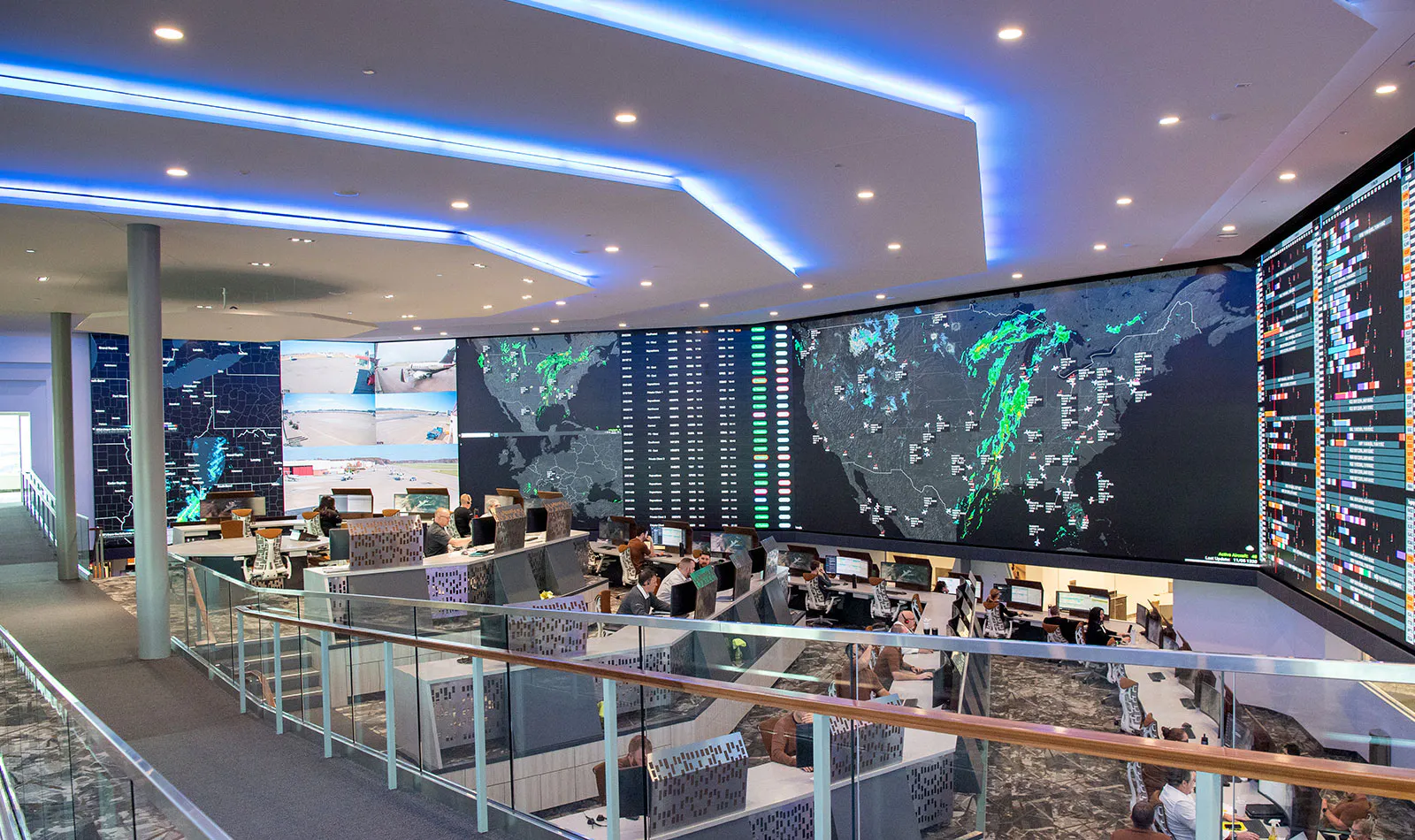
Behind the scenes, the technology supporting maintenance, scheduling, logistics and daily flight operations has evolved just as dramatically. From the advent of computerization to the rise of internet connectivity, each advancement has expanded capability and improved coordination. Today, Flexjet is building on that legacy with Ops Horizon—its proprietary, in-house flight operations software platform—representing the next significant leap forward in operational intelligence, efficiency and precision.
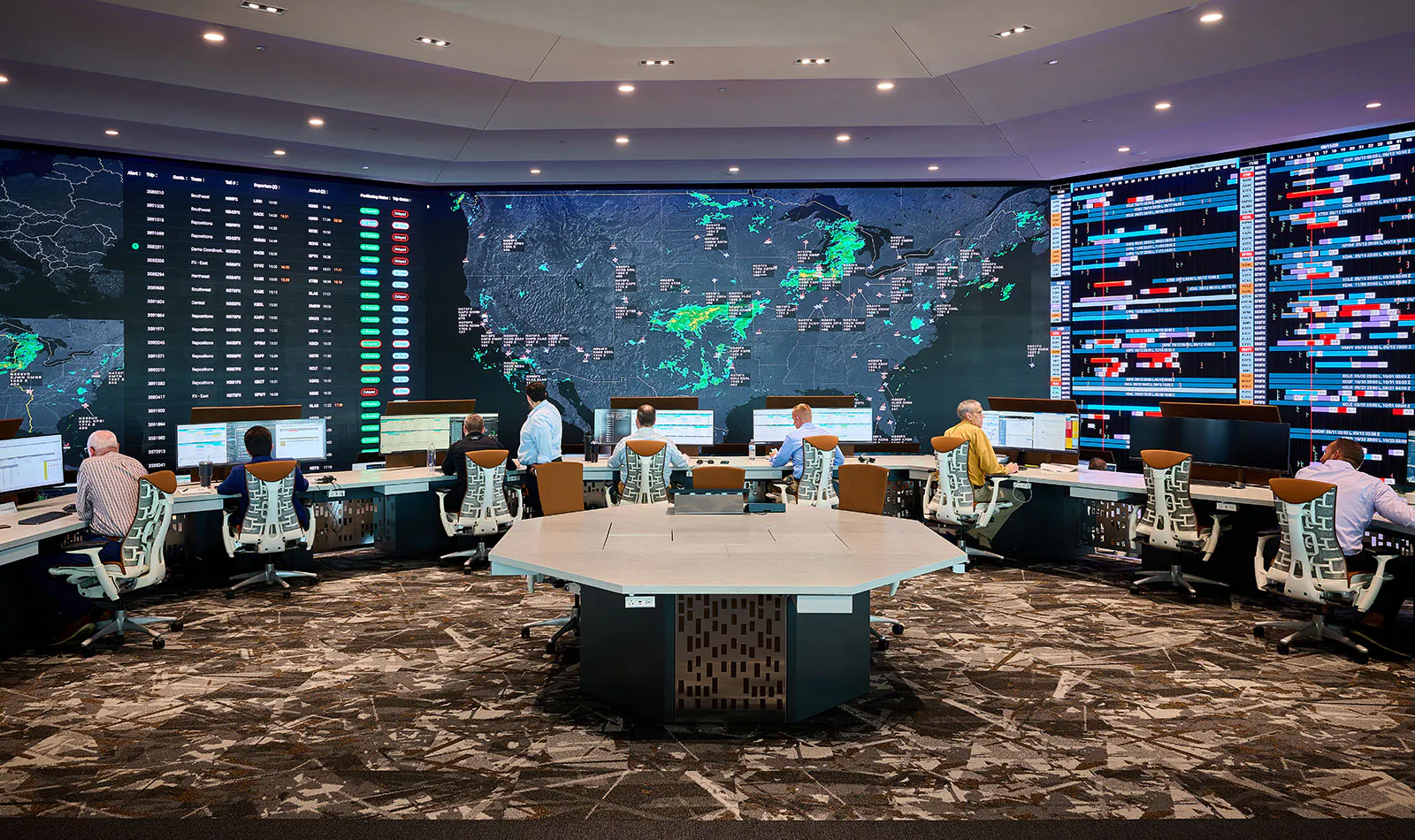
At the genesis of every effortless journey lies an operation of extraordinary precision. Discover the ways Ops Horizon uniquely supports and empowers the safety, efficiency and reliability of every Flexjet flight.
1. How Is Flight Operations Software Used at Flexjet?
Flight operations software is a digital platform used to manage aircraft scheduling, maintenance planning, crew coordination, compliance tracking and passenger logistics. For operators managing complex fleets, centralized flight operations software improves visibility, efficiency and reliability across all areas of aviation operations.
Developed exclusively by Flexjet, Ops Horizon extends well beyond the flight deck, powering the dedicated website and mobile app for Flexjet aircraft Owners. While Owner Concierge teams continue to provide 24/7 personalized support, this proprietary platform gives clients greater control over every stage of their journey. Rather than simply submitting travel requests, aircraft Owners interact directly with the same intelligent operational ecosystem that coordinates each flight behind the scenes.
With the new infrastructure, aircraft Owners can now book flights, add catering requests, add passengers to existing trips, upload passport info and manage other elements of their flights, all from their phones or laptops. Because their requests feed directly into the system, the updates appear instantly and are processed instantly—without the need to convey the information manually through their Owner Concierge representative.
2. Why Is Secure Flight Operations Software Now Critical for Global Aviation?
Like the instant connectivity that provides aircraft Owners with real-time information and control of their flights, Ops Horizon connects a multitude of moving pieces behind the scenes among the various individuals and departments responsible for aircraft maintenance. With 15 dedicated, in-house maintenance facilities positioned around the world to service the fleet, close coordination is essential.
In the past, many of the pieces of documentation required to flag a maintenance issue, update the aircraft’s status and location, log the maintenance performed and return the aircraft to service were infrequently aligned. Changes at one location were not always reflected across other platforms, and those that could take hours or even days to appear elsewhere in the company. Eliminating small delays as an aircraft progresses through the many steps of routine maintenance and inspections results in a notable increase in availability for aircraft Owners.

Similar to a team using a cloud-based solution that’s updated in real time, Ops Horizon provides a central network that streamlines collaboration. If a new inspection becomes mandatory for a particular aircraft type, the update only needs to be added once and will be reflected instantly across all physical locations and end users it affects. Ultimately, far less time is spent aligning and coordinating the various teams involved, allowing them to focus on the actual tasks at hand.
3. Better Coordination for Pilots, Dispatchers and Logistics In Realtime
Even a single day’s operations for one aircraft and its crew require continuous recalibration as weather, timing and countless other variables shift in real time. From changing passenger loads, air traffic control routing and crew scheduling to details such as catering requests and pet information, flight crews must choreograph each individual element of the aircraft Owner’s travel experience. Here, Ops Horizon’s integration makes things easy and intuitive.
Before the Owner even books the flight, their preferences are compiled and added to their profile. At a glance, pilots and cabin servers can see how their next passengers prefer to be greeted, their cabin temperature and catering preferences, and other individual details. As additional preferences are gathered, crews can easily update the Owner’s profile in the system for future crews to reference.

Crews can also coordinate and manage their own logistics, from scheduling to FBO information to hotels and rental cars. Ops Horizon provides real-time messaging with the operations team, enabling the crew to adapt to changing circumstances instantly.
4. Robust, Reliable, Resilient—and Secure.
A completely interconnected network that orchestrates ongoing aircraft operations around the globe, 24/7, cannot go down or be taken out of service, even briefly. Ops Horizon was built with this in mind, with extensive redundancies that ensure it always remains up and available. From investment in hardware to automatic failovers and fully independent, on-site generators at each key location, the platform is engineered with multiple layers of safeguards that ensure downtime is never a concern.
Data security is a top priority. Sensitive data is always kept internal and is never added to publicly available systems. The entire infrastructure undergoes continuous penetration testing and vulnerability assessments to identify weaknesses before they can be exploited, ensuring all sensitive data remains internal and secure. Ultimately, Ops Horizon represents the future of global aircraft operations. Looking ahead, the infrastructure offers compelling potential.

For example, efficiency could be further bolstered through predictive analytics, anticipating maintenance requirements and calibrating schedules in advance to complete work seamlessly with minimal impact on flight operations. Similarly, detailed performance and maintenance metrics could be captured to support collaboration with aircraft and engine manufacturers and influence future designs.
With continued development, the platform will enable even greater precision in anticipating needs and resolving variables before they affect the journey. For aircraft Owners, this means an increasingly seamless travel experience where complexity is handled behind the scenes and every detail arrives as expected.