
OUR APPROACH TO
SUSTAINABILITY IN AVIATION
FROM CARBON OFFSETTING TO MEANINGFUL REDUCTIONS
A PROACTIVE COMMITMENT
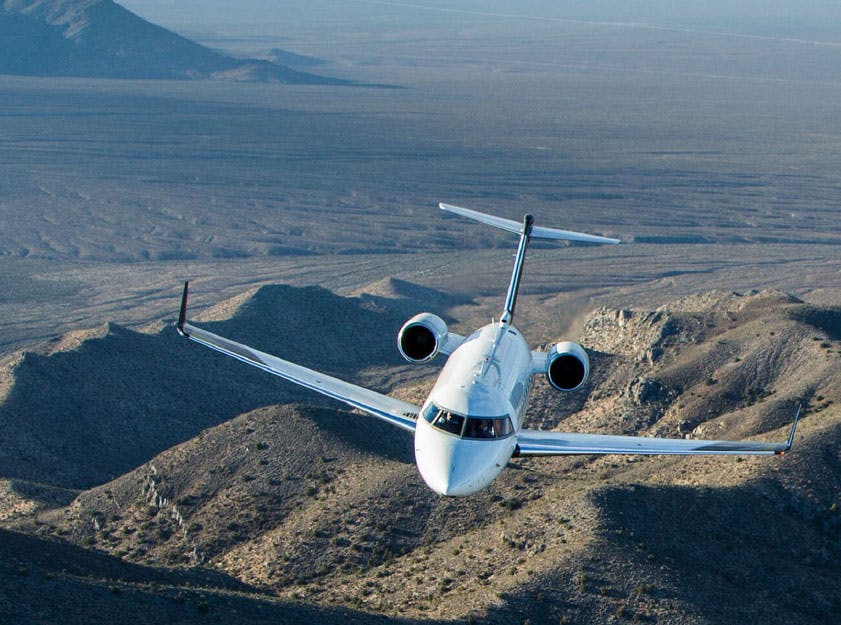
Every flight hour flown by Flexjet aircraft in our European fleet has its direct carbon and non-carbon emissions from fuel burn offset through the purchase of verified carbon credits as a default. This means that the carbon equivalent impact from warming pollutants, such as carbon dioxide, nitrous oxides and water vapour are accounted for via third party verified carbon credits. These carbon credits are supporting renewable energy and carbon removal projects in nations across the world including Turkey, U.S., Congo and India.
However, we know that offsetting is just the baseline. We are also playing a meaningful role in moving our industry beyond just carbon offsetting to achieving emissions reductions through Sustainable Aviation Fuel (SAF) adoption and support for emerging aviation technologies.
BEYOND OFFSETTING TO
DRIVING EMISSIONS REDUCTIONS
Today, this can best be achieved via the use of Sustainable Aviation Fuel (SAF), which refers to jet fuel produced from renewable sources rather than fossil-based materials like petroleum. Through our partnership with 4AIR, Flexjet aircraft Owners can opt to increase their commitment by purchasing SAF, which can be uplifted directly where available, or bought via a book & claim process. Flexjet continues to purchase SAF and encourage the wider distribution of SAF by collaborating with producers and suppliers*.
Looking further ahead, Flexjet is also focused on cleaner aircraft and propulsion technologies, such as electric aviation. Our aircraft Owners can opt to support some of the world’s foremost research in this area via 4AIR’s Aviation Climate Fund.
Electric aviation is set to begin with short range rotary eVTOL aircraft, and Flexjet is directly involved in the introduction of eVTOLs via a group collaboration with Eve Air Mobility one of the leading manufacturers and a leader in the development of the Urban Air Mobility (UAM) ecosystem. Flexjet has also ordered a fleet of next-generation Otto Aviation Phantom 3500 aircraft – an ultra-efficient aircraft utilizing laminar-flow aerodynamics which is predicted to cut fuel burn by over 60%. Together, these initiatives reflect Flexjet’s broader commitment to reduce the environmental impact of its flying.

__________________________________
*Eligible SAF used on flights subject to reporting and surrendering of emission allowances under the EU ETS reduced scope in 2025 was co-funded by the EU Emissions Trading System, with Flexjet receiving €41,014 EUR in support.
Eligible SAF is SAF produced from feedstocks listed in Annex IX of the Renewable Energy Directive II (2018/2001).
VERIFIED CARBON CREDITS
300% CO₂ OFFSET INCLUDED*
GLOBAL PROJECT PORTFOLIO
A FOCUS ON REDUCTIONS
By 2030, we have committed to 12 percent of our fleets annual fuel consumption to come from SAF. To progress towards this target, we have been using blended SAF on all maintenance and training flights from the start of 2026 and aim to publish our yearly historic SAF consumption from 2027 onwards.
Flexjet partners with 4AIR, the only solutions provider focused on comprehensive sustainability in private aviation.
All verified credits to offset the emissions of aircraft operated by or for Flexjet are provided at no additional expense to our customers.
Our comprehensive programme allows Flexjet aircraft Owners to invest in SAF and in support for innovative aviation technologies.
*Carbon offsets are purchased to account for the CO₂ and non-CO₂ impact of tailpipe emissions. This is expressed using a multiplier of 300% of the CO₂ emissions. Further detail is provided in the 4AIR methodology statement.
LEVEL ONE: BRONZE
CARBON OFFSETTING
(INCLUDED AT NO COST)
The first step in approaching your sustainability strategy involves measuring and purchasing verified carbon credits corresponding to the measured Carbon dioxide (CO₂) emissions from tailpipe emissions. By addressing your CO₂ emissions* through the purchase of verified carbon credits, you are contributing to projects that reduce or remove the equivalent amount of carbon elsewhere.
LEVEL TWO: SILVER
EMISSIONS OFFSETTING
(INCLUDED AT NO COST)
Carbon dioxide (CO₂) represents less than half of the climate-impacting emissions generated by the average private aircraft. Go beyond measuring and compensating your carbon tail pipe emissions and account for estimated non-CO₂-based warming pollutants by purchasing additional verified carbon credits equivalent to 300% of calculated CO₂ emissions*.
LEVEL THREE: GOLD
EMISSIONS REDUCTION FROM SAF
(INCLUDED AT NO COST FOR G650 FLIGHTS)
While offsetting is vital to supporting your sustainability strategy, actually reducing emissions within aviation is essential to driving long-term change. Through innovations like Sustainable Aviation Fuel (SAF), we can reduce lifecycle emissions of the fuel used in flight operations.
LEVEL FOUR: PLATINUM
RESEARCH & DEVELOPMENT SUPPORT
(INCLUDED AT NO COST FOR G650 FLIGHTS)
To achieve true net-zero emissions in air travel, major breakthroughs still need to be developed. By contributing to the Aviation Climate Fund, you are directly supporting the research on technologies aimed at eliminating aircraft emissions.
CALCULATE YOUR CARBON FOOTPRINT
*Please note that these are approximations and that all speed/ranges are affected by weather, passenger count, runway length, and prevailing winds. Carbon emissions are based on carbon intensity for jet fuel and reductions for sustainable aviation fuel (SAF) source: International Civil Aviation Organization (ICAO) The methodology from ICAO to calculate the carbon dioxide emissions based on fuel burn as well as reductions from sustainable aviation fuel based on most used feedstock today. The methodology applies the industry data and has been applied as an estimate for calculations.
EXAMPLE PROJECT PORTFOLIO
All of the carbon offsetting and reduction contributions made in part of Flexjet’s sustainability programme are verified by leading authorities such as the Verified Carbon Standard (Verra), Climate Action Reserve and the Gold Standard.
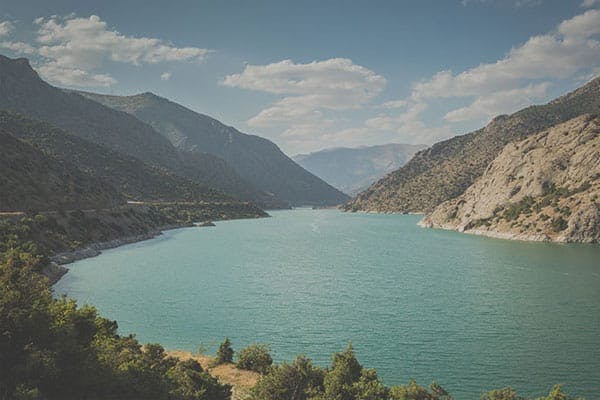
Alkumru Hydroelectricity Project
HONING THE STRENGTH OF THE BOTAN RIVER THROUGH UPGRADES TO THE ALKUMRU HYDROELECTRIC PLANT, SIGNIFICANTLY BOOSTING ITS RENEWABLE ENERGY CAPACITY.
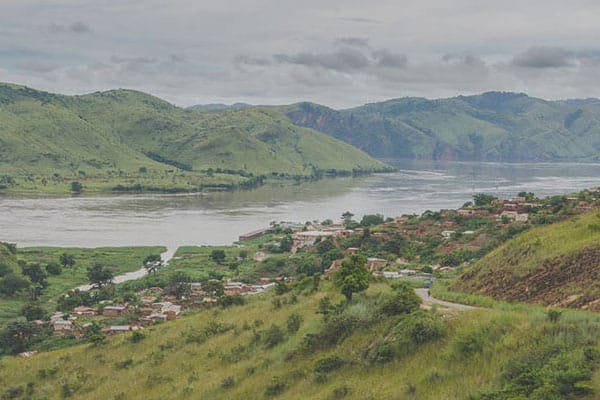
THE MAI NDOMBE REDD+ PROJECT
ADDRESSING THE NEEDS OF 180,000+ REMOTE VILLAGERS BY HELPING PROTECT 300,000 CRITICAL HECTARES WITHIN THE CONGO BASIN RAINFOREST.
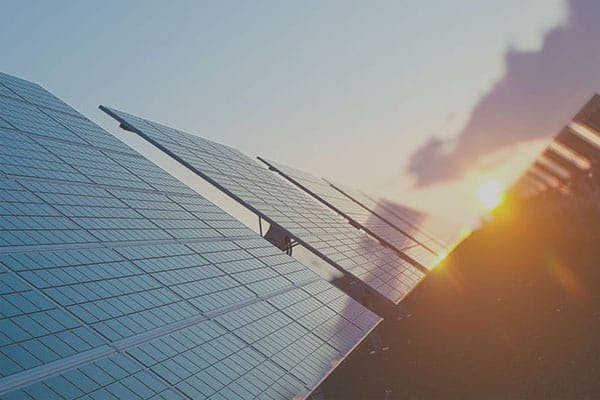
India Solar Energy Project
Contributing to the development of the region through the construction of renewable energy generation plants and expansion of solar power.
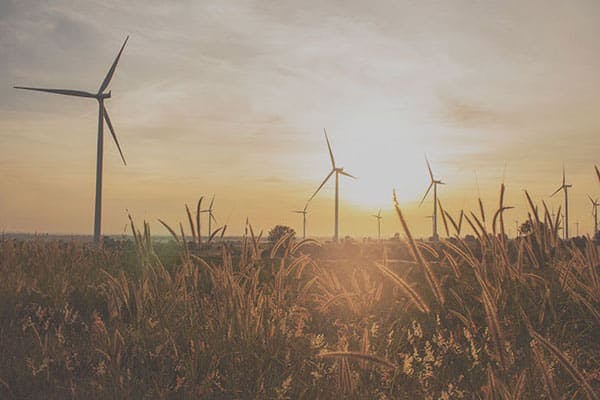
Prairie Wind
Delivering clean energy to a large swath of the Great Plains region with 77 separate turbines, reducing the area’s reliance on coal and natural gas.
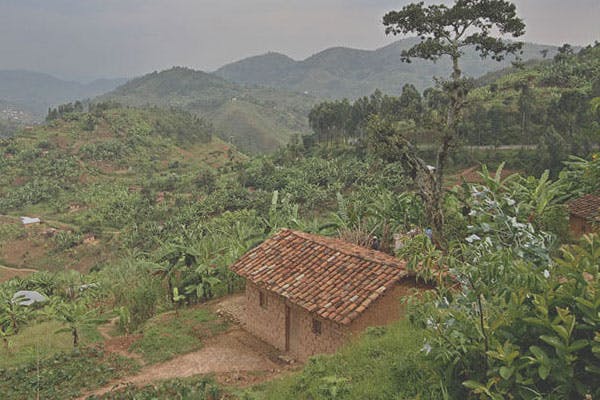
Rwanda Improved Cookstove Project
Distributing fuel-efficient cookstoves to hundreds of thousands of families, providing health and efficiency benefits while reducing CO₂ emissions.
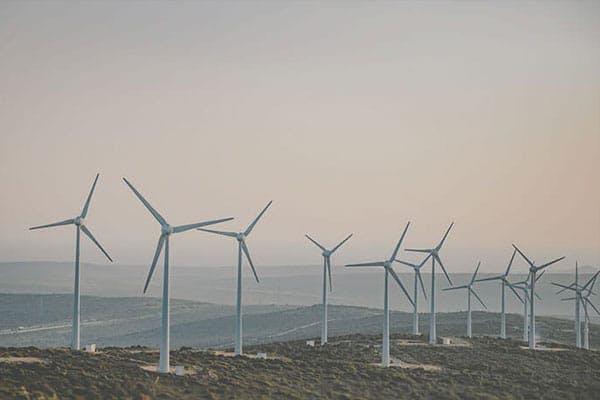
USAK Wind Farm Project
Converting the potential energy of area winds into electricity by way of 36 turbines, helping to strengthen Turkey's power grid sustainably.
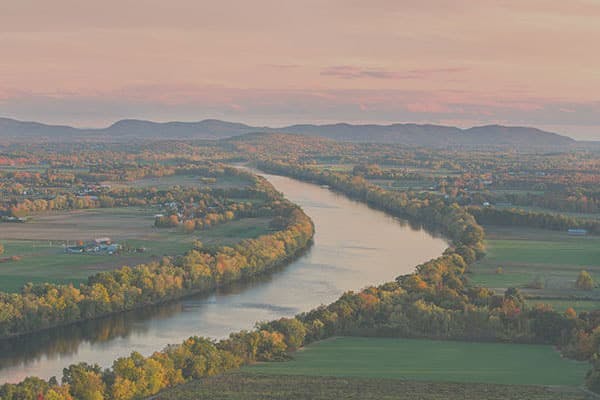
Northeast Improved Forest Management Project
Defending the Connecticut River Valley with a forest management project that uses CO2 credits to protect areas that would otherwise be harvested.
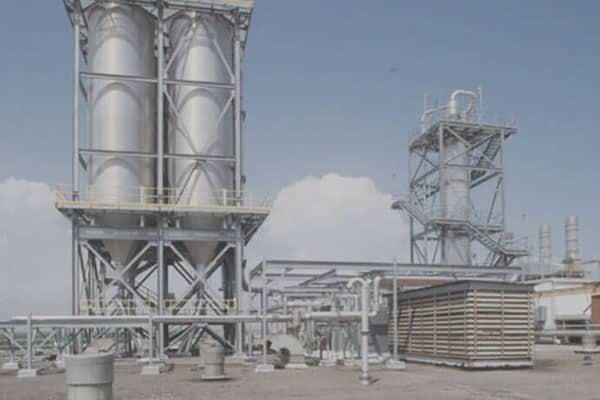
Florida N₂O Abatement Project
Producing material that captures and converts N₂O emissions with 298-times more warming potential than CO₂ into nitrogen and oxygen.

North Carolina Avoided Forest Conversion Project
Preserving over 1,300 acres of forested land through a conservation project that protects this freshwater source from human development.
Alkumru Hydroelectricity Project
HONING THE STRENGTH OF THE BOTAN RIVER THROUGH UPGRADES TO THE ALKUMRU HYDROELECTRIC PLANT, SIGNIFICANTLY BOOSTING ITS RENEWABLE ENERGY CAPACITY.
THE MAI NDOMBE REDD+ PROJECT
ADDRESSING THE NEEDS OF 180,000+ REMOTE VILLAGERS BY HELPING PROTECT 300,000 CRITICAL HECTARES WITHIN THE CONGO BASIN RAINFOREST.
India Solar Energy Project
Contributing to the development of the region through the construction of renewable energy generation plants and expansion of solar power.
Prairie Wind
Delivering clean energy to a large swath of the Great Plains region with 77 separate turbines, reducing the area’s reliance on coal and natural gas.
Rwanda Improved Cookstove Project
Distributing fuel-efficient cookstoves to hundreds of thousands of families, providing health and efficiency benefits while reducing CO₂ emissions.
USAK Wind Farm Project
Converting the potential energy of area winds into electricity by way of 36 turbines, helping to strengthen Turkey's power grid sustainably.
Northeast Improved Forest Management Project
Defending the Connecticut River Valley with a forest management project that uses CO2 credits to protect areas that would otherwise be harvested.
Florida N₂O Abatement Project
Producing material that captures and converts N₂O emissions with 298-times more warming potential than CO₂ into nitrogen and oxygen.
North Carolina Avoided Forest Conversion Project
Preserving over 1,300 acres of forested land through a conservation project that protects this freshwater source from human development.
Alkumru Hydroelectricity Project
HONING THE STRENGTH OF THE BOTAN RIVER THROUGH UPGRADES TO THE ALKUMRU HYDROELECTRIC PLANT, SIGNIFICANTLY BOOSTING ITS RENEWABLE ENERGY CAPACITY.
THE MAI NDOMBE REDD+ PROJECT
ADDRESSING THE NEEDS OF 180,000+ REMOTE VILLAGERS BY HELPING PROTECT 300,000 CRITICAL HECTARES WITHIN THE CONGO BASIN RAINFOREST.
India Solar Energy Project
Contributing to the development of the region through the construction of renewable energy generation plants and expansion of solar power.
Prairie Wind
Delivering clean energy to a large swath of the Great Plains region with 77 separate turbines, reducing the area’s reliance on coal and natural gas.
Rwanda Improved Cookstove Project
Distributing fuel-efficient cookstoves to hundreds of thousands of families, providing health and efficiency benefits while reducing CO₂ emissions.
USAK Wind Farm Project
Converting the potential energy of area winds into electricity by way of 36 turbines, helping to strengthen Turkey's power grid sustainably.
Northeast Improved Forest Management Project
Defending the Connecticut River Valley with a forest management project that uses CO2 credits to protect areas that would otherwise be harvested.
Florida N₂O Abatement Project
Producing material that captures and converts N₂O emissions with 298-times more warming potential than CO₂ into nitrogen and oxygen.
North Carolina Avoided Forest Conversion Project
Preserving over 1,300 acres of forested land through a conservation project that protects this freshwater source from human development.